Space scenting sold as a package rather than a product: the machine, the oil and a written placement plan — so a lobby, a showroom and a guest corridor all carry the same scent, on the same refill schedule.
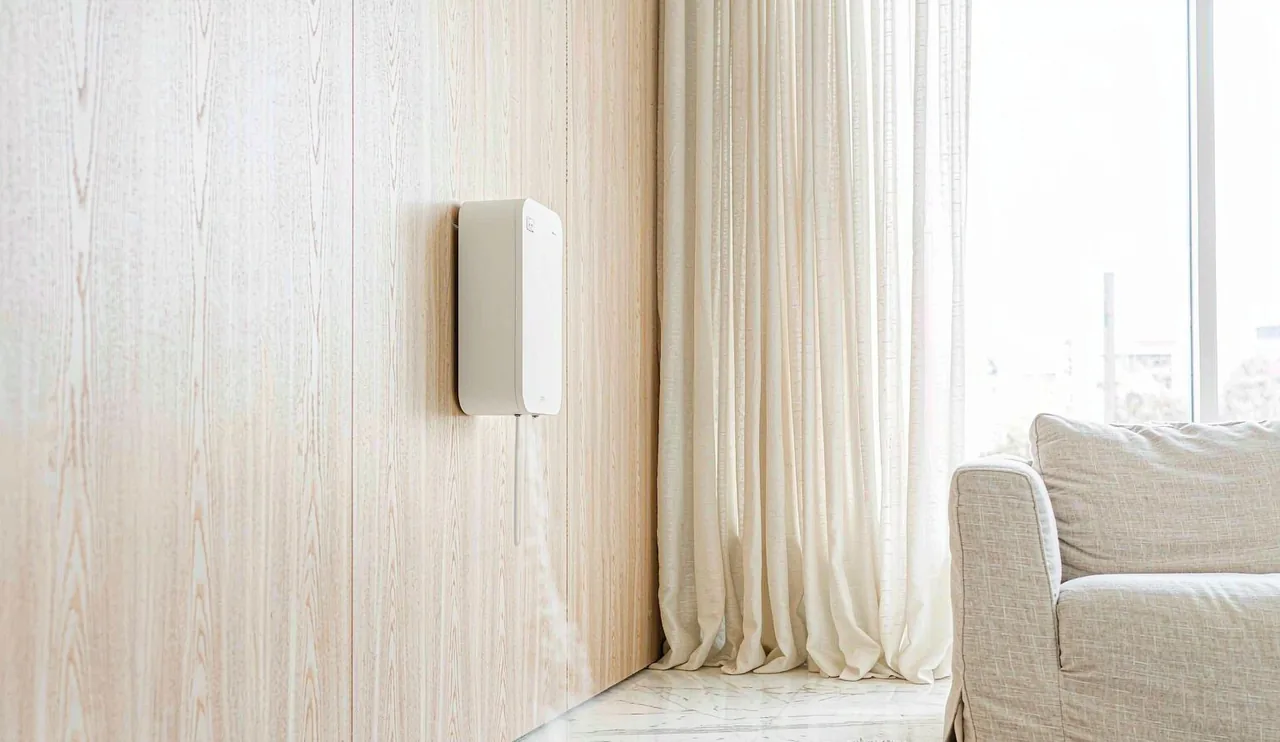
A hotel or a car showroom does not buy a diffuser. It buys an outcome it can put in a service contract: the entrance smells like the brand every morning, and nobody has to think about it. That change of buyer changes what has to be supplied. The hardware is the small part. The oil supply, the placement plan and the replacement cycle are the product.
That is why this line is quoted as a system. We recommend a machine per zone against room volume and foot traffic, set a scent intensity that survives air conditioning, and then work backwards to a refill interval the venue can actually keep. A machine that needs attention every two weeks does not get serviced; a machine that runs for two months does.
The failure mode in commercial scenting is never the fragrance. It is a machine that over-perfumes a small room, or a refill that runs out before the service visit.
The same machine is right for a lobby and wrong for a 12 m² meeting room. We work from a floor plan and a headcount, then size output and interval — the unit is selected last, not first.
A refill cycle that is too short becomes a maintenance complaint. We set intensity and bottle size together so the interval matches how often the site is actually serviced, whether that is weekly or quarterly.
Commercial units run continuously at low intensity, which exposes top-note loss and off-notes that a domestic diffuser never reveals. Base accords are balanced for long, slow release rather than a strong opening.
Lobbies often need a waterless machine while washrooms use a small ultrasonic unit. Both are filled from the same oil batch, so the property smells consistent instead of layered.
A scenting programme is specified zone by zone — most projects change three or four of these and keep the rest standard.
Cold-air nebulizer for oil-only operation and larger volumes, or ultrasonic where a visible mist suits the space. Wall-mount, ceiling-hung or freestanding housings in neutral finishes.
Select from the existing library, or develop a signature accord for the property. Signature development is sampled on skin and in the room, because a scent that reads well on paper often reads differently at 1% output.
Fixed timer windows, app scheduling per zone, or a dry-contact input so the unit follows the building's own lighting or HVAC schedule instead of running independently.
500 ml and 1 L bottles under your label, with the site name, batch and safety marking applied. Sealed caps and a tamper strip if the bottles are stored in public areas.
Commercial orders are usually staged: a pilot zone first, then the rest of the property once the intensity is signed off.
Send the floor area, ceiling height and foot traffic per zone. Coverage is quoted per project rather than as a fixed figure, because air changes and HVAC layout change the answer more than room size does.
Yes. Fixed timer windows are the default configuration, and a dry-contact input is available where the site wants scenting to follow its own lighting or HVAC schedule.
Yes. Bottles carry your brand, the batch number and the required safety marking. Where the property stocks bottles in public areas we add sealed caps and a tamper strip.
Intensity is adjustable at the unit, and the fix is usually scheduling rather than reformulation — shorter windows at the same output. This is the main reason we recommend a pilot zone before a full roll-out.
Often, yes. Send the machine model and the oil specification it expects. Compatibility depends on viscosity and whether the unit is waterless or water-based, so we confirm before quoting.
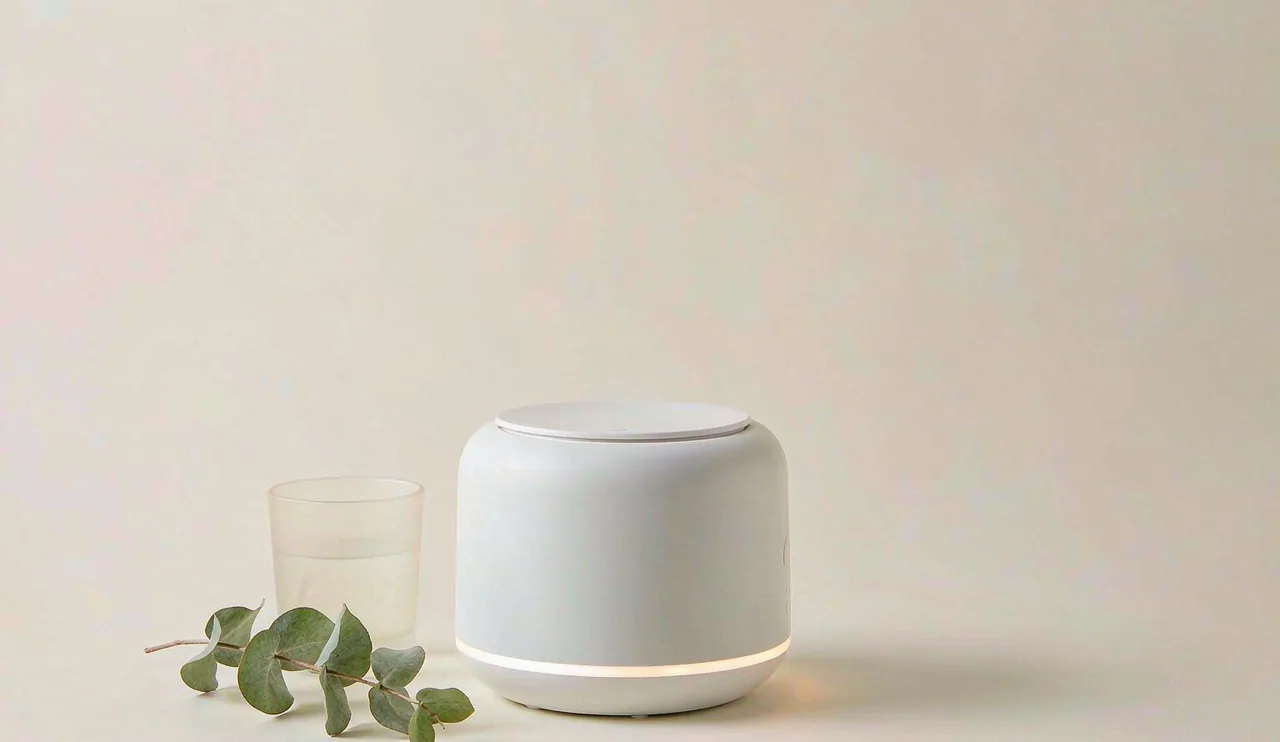
Ultrasonic and waterless nebulizing machines for home and commercial scenting.
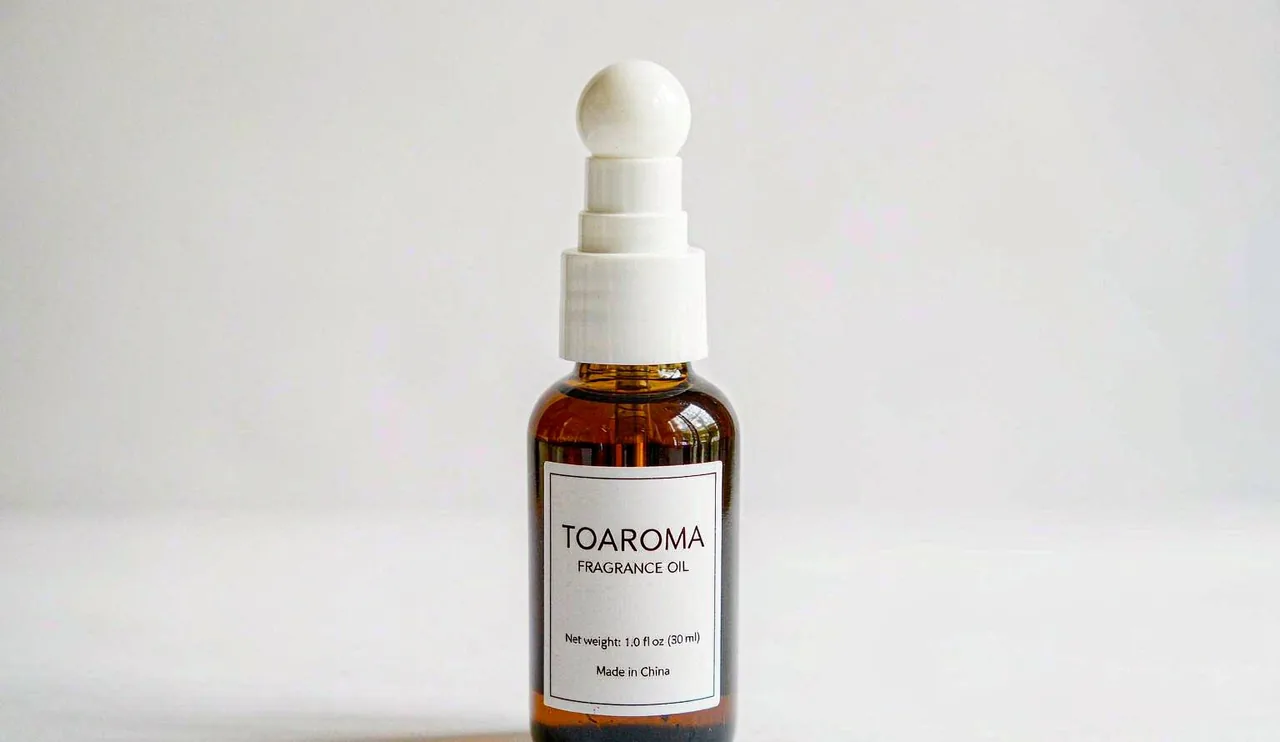
Retail refill bottles from 10–100 ml, plus 500 ml and 1 L machine oil packs.

Fine mist and trigger formats from 30 to 300 ml, alcohol-free options, MOQ 500 pcs.
Send a floor plan and the zones you want covered. We come back with a machine mix, a refill interval and a pilot proposal for one zone.