Not perfume for animals — fragrance for the places they live. Odour neutralising sprays, litter granules and bed refreshers, formulated at low intensity and labelled honestly about what they do and do not do.
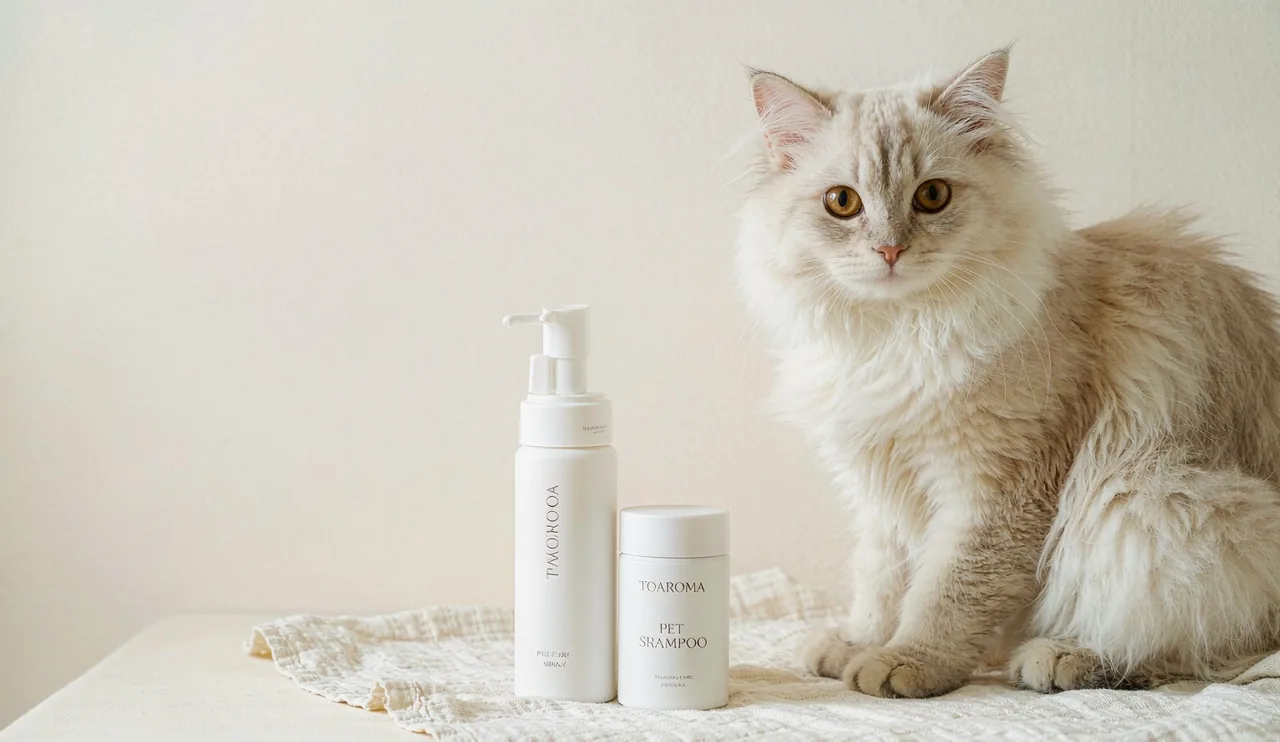
A pet owner does not buy this category to make a room smell of cedar. They buy it because the room smells of the animal. Fragrance alone masks that for twenty minutes and then makes it worse, which is why the products in this line pair a neutralising component with a light top note rather than relying on oil strength.
The second constraint is the animal. Dogs and cats read the world through scent at an intensity we do not, so the same load that reads as pleasant to a customer can be overwhelming at floor level. Everything here is formulated at low intensity and applied to surfaces, never to the animal.
A pet fragrance that over-perfumes will be returned, and a neutraliser that does not neutralise will not be repurchased. There is very little middle ground.
An odour that is masked rather than broken down returns as soon as the top note fades — and it returns stronger. The base is built around neutralising chemistry first, with fragrance sized to sit underneath it.
Application happens close to where the animal rests, so the load is deliberately low. This makes the products weaker on a blotter than a room spray and better in use, and it is a specification worth explaining to a buyer.
We do not write 'pet-safe' on a label, because no authority defines it. We write what the product does, where it is applied, and what to avoid — wording prepared per market rather than copied from a competitor.
Clay granules need a dry, low-volatility carrier; a bed refresher needs to dry on fabric without staining. The same scent is delivered by two formulations, so both are sampled on the real substrate.
The functional base and the scent are specified separately — most buyers change the scent and keep the base.
Standard neutralising aqueous base, or an enzyme-assisted variant for stubborn organic odour on fabric. Choice depends on whether the product is for surfaces or for laundering cycles.
Trigger, fine mist, gel, granules or a fabric refresher, with pack sizes set against the retail shelf and the frequency of use in a typical household.
Fresh, herbal and lightly woody accords work best at low intensity. Sweet and heavy accords read as masking and are usually the first thing a returned product is blamed for.
Direction for use, animal-contact warnings and market-specific claims prepared for the artwork — checked before print, because a claim problem is a recall, not a reprint.
This line shares filling and packaging with the room spray line, which is why the minimum is lower than a stand-alone chemical product would need.
It is formulated for application to surfaces in rooms where animals live, at low intensity, and never applied to the animal itself. Because 'pet-safe' has no legal definition, we label the intended use and the precautions instead of using the phrase.
The base is built to neutralise, with fragrance underneath. How much odour is removed depends on the substrate and the source — fresh urine on hard flooring behaves very differently from long-soaked fabric, and the enzyme variant is the one to specify for the second case.
Fresh, green and light wood accords hold up best. Sweet and heavy accords lose definition at low load and read as masking, which is what customers complain about first.
Yes. Granules use a dry carrier and a lower volatility dose, so the two are formulated as separate products that can share a scent name without sharing a formula.
Stability, substrate staining and compatibility with common litter and fabric types. Clinical or veterinary efficacy claims are not something we make, and we will say so if a proposed claim needs evidence we do not have.
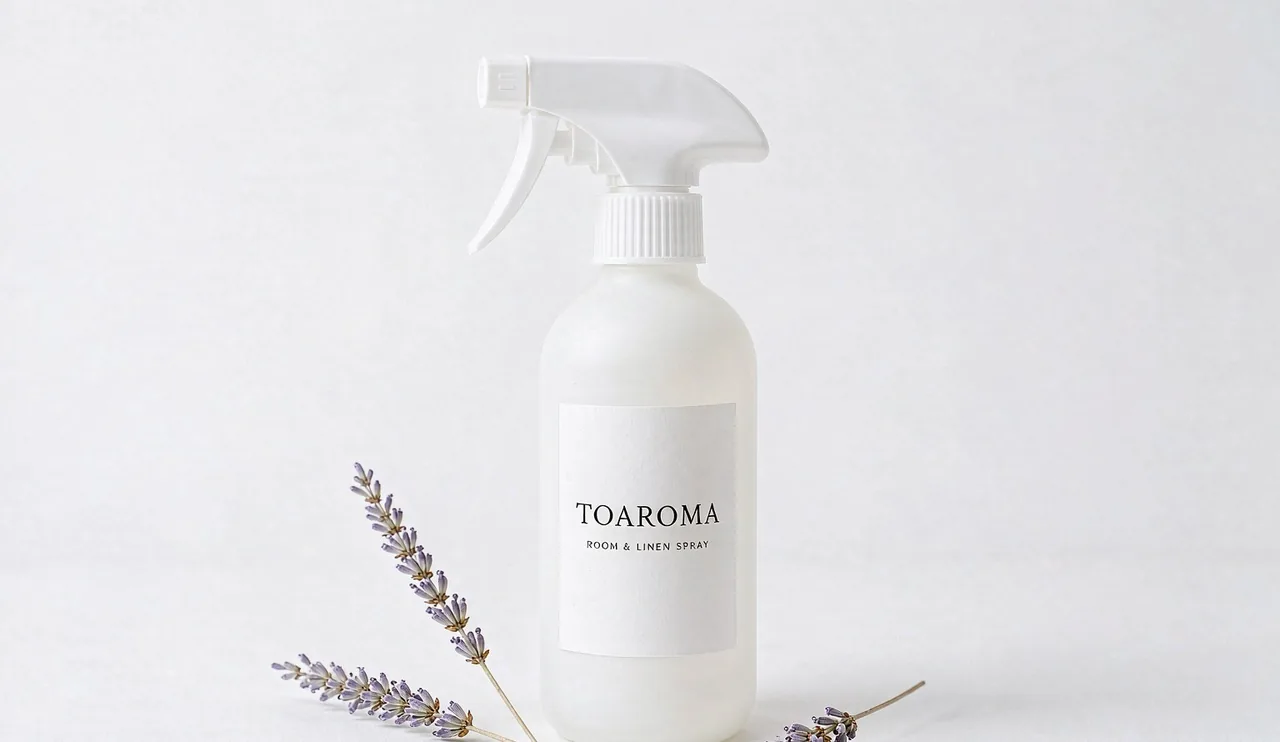
Fine mist and trigger formats from 30 to 300 ml, alcohol-free options, MOQ 500 pcs.
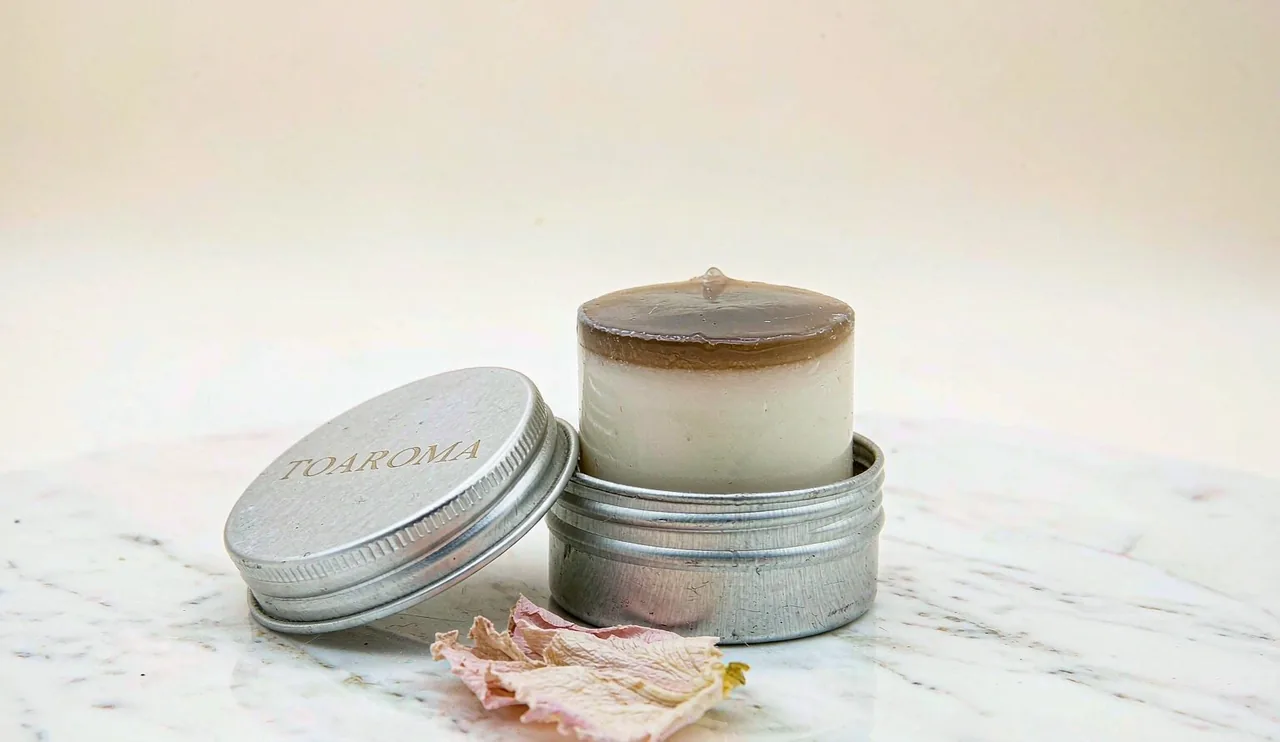
Balm pucks, twist sticks and wardrobe discs in alcohol-free solid bases.
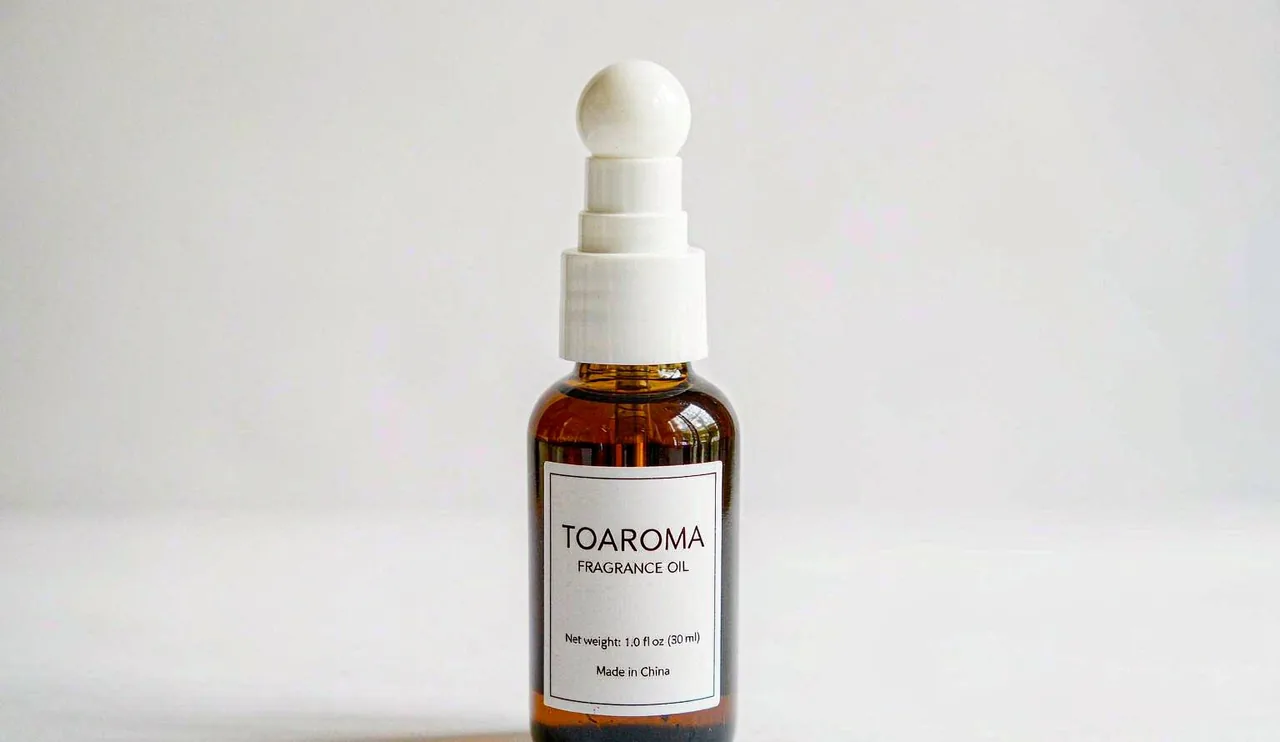
Retail refill bottles from 10–100 ml, plus 500 ml and 1 L machine oil packs.
Tell us the format and the substrate — fabric, litter, hard floor. We return a base recommendation and a scent shortlist trimmed for low-intensity use.